The Ask Shopi Blog
Honest takes on shopping, AI, and trust — from the team behind a shopping agent with no ads, no affiliate links, and no commissions.
 How to Set a Shopping Budget That Actually Holds — Decide your number before you fall in love with the product. A practical way to set a shopping budget that holds — total cost of ownership, the good-enough threshold, and resisting upsells.
 Why Do Ads Follow Me Around? Retargeting Explained — You looked at one pair of shoes and now they're everywhere. That's retargeting. Here's how it actually works, why that jacket keeps stalking you, and how to opt out or quiet it down.
 What 'Amazon's Choice' and 'Best Seller' Badges Actually Mean — What does Amazon's Choice mean — and what about Best Seller? Both are largely algorithmic labels, not editorial "best" picks or independent testing. Here's what they really tell you, and how to read past them.
 How to Choose an Electric Toothbrush — Choosing an electric toothbrush comes down to a few real factors, not the marketing. Here's what actually matters, what's fluff, and the recurring cost most buyers miss.
 What Is an AI Shopping Assistant? A Plain Guide — Most people have heard of AI shopping assistants but never used one. Here's a plain guide to what they are, what they can and can't do, and how to judge whether one is worth trusting.
 How to Choose a Sofa: A Practical Buyer's Guide — A sofa is the one thing you sit on every day for years. Here's how to choose a sofa that lasts — decoding the frame, springs, cushions and fabric, and matching them to how you actually live, not just how it looks in a photo.
 How Ask Shopi Makes Money (and Why That Protects You) — Every shopping tool has a business model, and it shapes the advice you get. Here's how Shopi makes money — subscriptions only, no ads or affiliate links — and why that quietly protects you.
 How to Choose an E-Reader — A plain-language guide to choosing an e-reader: the specs that actually matter, the store and format lock-in that causes regret, and the questions to ask before you buy.
 How to Compare Products Objectively (Specs vs. Spin) — Specs are facts; spin is a mood. Here's a simple, repeatable way to compare products objectively — a rubric weighted to your needs that ignores marketing adjectives and commission-driven rankings.
 How to Choose a Standing Desk — A standing desk is more than a surface on legs. Here's how to weigh desk type, height range, stability, and ergonomics against your body, space, and budget.
 How Your Shopping Data Gets Collected (and Used) — Cookies, pixels, accounts, loyalty cards — your shopping data comes from more places than you'd guess. Here's what's collected, where it travels, and how to take some control back.
 How to Choose a Refrigerator: A Practical Buying Guide — A refrigerator is one of the longest-lived, hardest-working things you'll buy. Here's how to choose a refrigerator that fits your space, your shopping habits, and your budget — without paying for features you'll never use.
 Do You Need a C-Wire for a Smart Thermostat? Check This First — Wondering "do I need a C-wire for a smart thermostat?" Here's what a C-wire does, why a wiring mismatch is a top reason these gadgets get returned, and how to check your setup before you buy.
 How to Choose a Washing Machine — Learning how to choose a washing machine comes down to a few decisions that actually matter — format, capacity, efficiency, and fit. Here's a plain-English framework to buy the right machine, not the most heavily marketed one.
 How Do AI Product Recommendations Actually Work? — AI shopping tools all run the same four stages: inputs, matching, ranking, explanation. Here's how each works, where incentives creep in, and why a pick that explains itself is one you can trust.
 How to Choose a Microwave — A microwave looks like a simple box, but the choices behind it — type, capacity, wattage, and fit — quietly decide how happy you'll be for years. Here's how to choose a microwave around your real kitchen and habits, not the spec sticker.
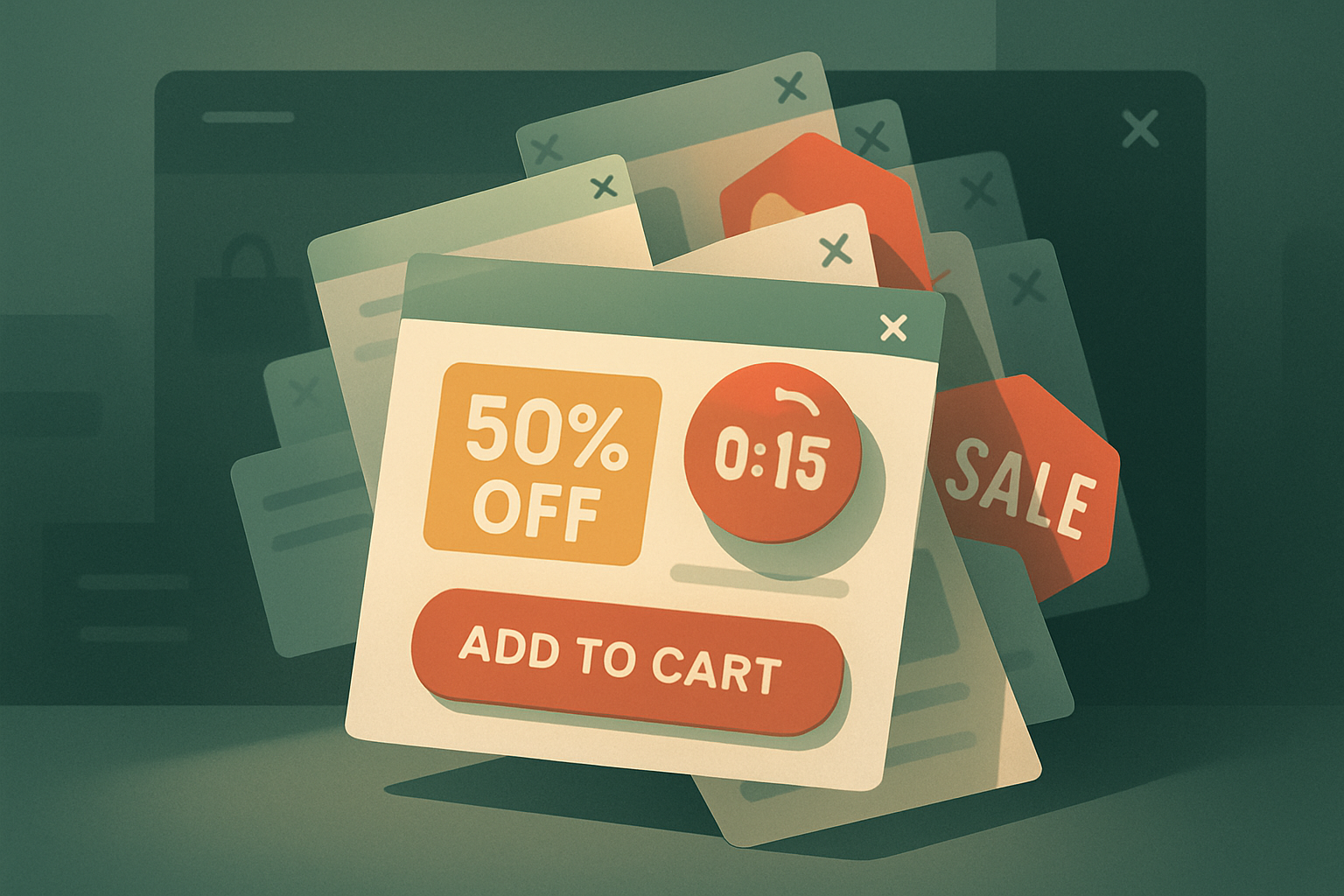 Dark Patterns in Online Shopping: Sneaky Tricks That Rush You — That countdown clock, the fee that appears at checkout, the guilt-trip 'No' button — these are dark patterns, designed to rush you. Here's how to spot the common ones and shut them down.
 How to Choose a Dishwasher — A practical, no-hype guide on how to choose a dishwasher: which specs actually change your daily life — fit, noise, drying, tub material, and rack flexibility — and which just pad the price tag.
 What Is the Grey Market (and Should You Buy From It)? — The grey market is genuine, brand-name goods sold through unofficial channels — usually cheaper, but with real trade-offs. Here's how it works and when buying from it actually makes sense for you.
 How to Choose a Carry-On Suitcase — There's no single best carry-on, only the one that matches how you actually travel. Here's the framework: size, weight, wheels, materials, and the boring details that decide whether a bag survives.
 Refurbished vs. Open-Box: What's the Difference? — Refurbished vs open-box products both cost less than new — but they're not the same thing. Here's what each term really means, when each one helps you, and how to shop smart.
 How to Choose a Gas Grill: A Practical Buyer's Guide — The gas grill aisle is built to dazzle, not inform. Here's how to choose a gas grill by matching fuel, size, and real build quality to the way you actually cook — so it still works in five years.
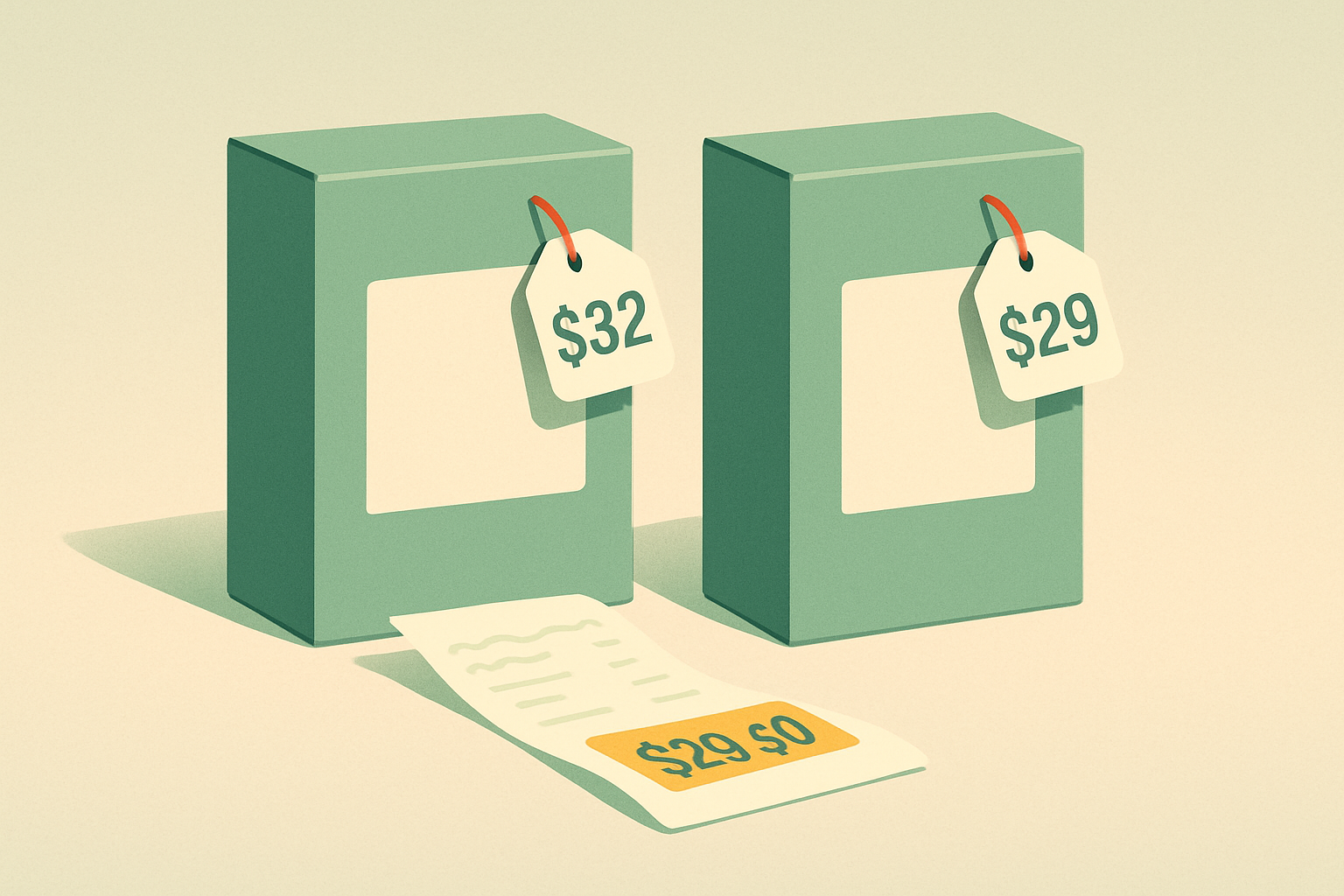 What Is Price Matching? — Price matching lets you get a competitor's lower advertised price at the store you already prefer. Here's how it works, the catches hiding in the fine print, and how to use it to shop smarter.
 How to Choose a Blender — A blender is one of those purchases where the spec sheet hides what actually matters. Here's a simple framework for matching a blender to what you cook, your space, and your budget.
 What Is a Restocking Fee? — A restocking fee is the cut a store takes from your refund when you return something. Here's how it works, when it's fair, and how to shop so you rarely have to pay one.
 How to Choose a Backpack — A backpack is one of the most-used things you'll ever own, so the fit, capacity, and build matter more than the logo. Here's how to choose one that actually suits how you carry, work, and travel.
 What Is a Chargeback? — A chargeback is when your bank reverses a card payment after you dispute it. Here's how chargebacks work, when they protect you, and when to use them carefully.
 How to Choose a Printer: A Practical Buying Guide — A printer's sticker price is the smallest part of what you'll pay. This guide explains how to choose a printer around how you actually print — so you don't get trapped by cheap hardware and expensive ink.
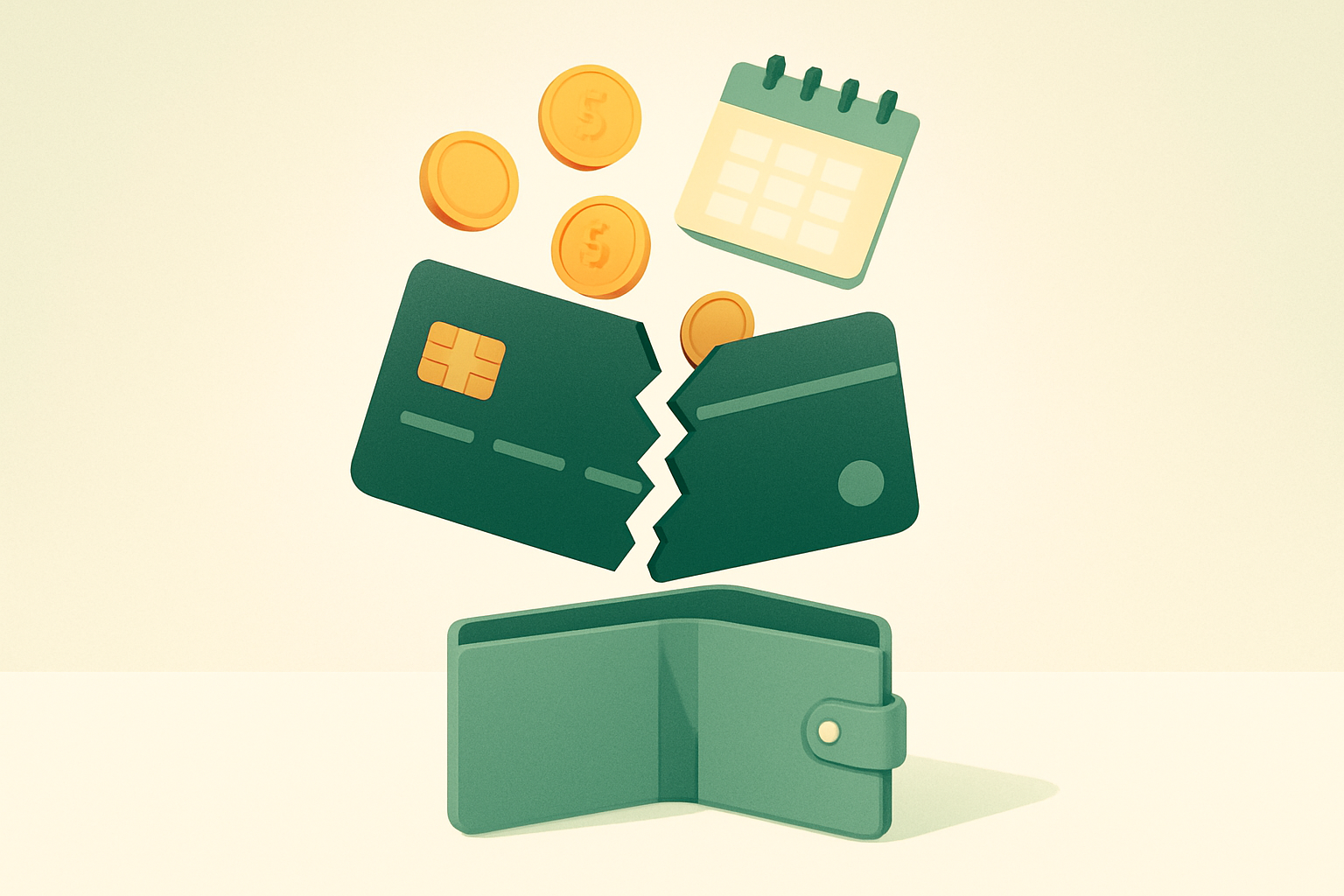 What Is Buy Now, Pay Later (BNPL)? — Buy now, pay later (BNPL) lets you split a purchase into smaller installments instead of paying all at once. Here's how it works, when it genuinely helps, when it can quietly hurt, and how to use it without overspending.
 How to Choose a Camera — Megapixels and price tags get all the attention, but neither tells you how to choose a camera. Here's a clear framework — sensor size, lenses, and the specs that actually matter — for picking one that fits how you really shoot.
 Are Influencer Product Recommendations Trustworthy? — Influencer picks can be honest or paid — and you usually can't tell which from the outside. Here's how creator deals work, what the FTC requires, and how to weigh any pick fairly.
 How to Choose a Tablet: A Simple Buyer's Guide — A tablet can be an e-reader, a sketchpad, a TV, or a near-laptop — which is exactly why people buy the wrong one. Here's how to choose a tablet around what you'll actually do, plus the hidden costs and trade-offs the spec sheet won't tell you.
 Why Online Prices Change So Often (Dynamic Pricing) — That $79 cart that's $94 the next day isn't a glitch. Learn how dynamic and personalized pricing work, what makes prices jump, and simple ways to stop overpaying.
 How to Choose a Computer Monitor — A jargon-free framework for choosing a computer monitor: match the screen to how you actually use it, weigh the real trade-offs, and skip the marketing noise.
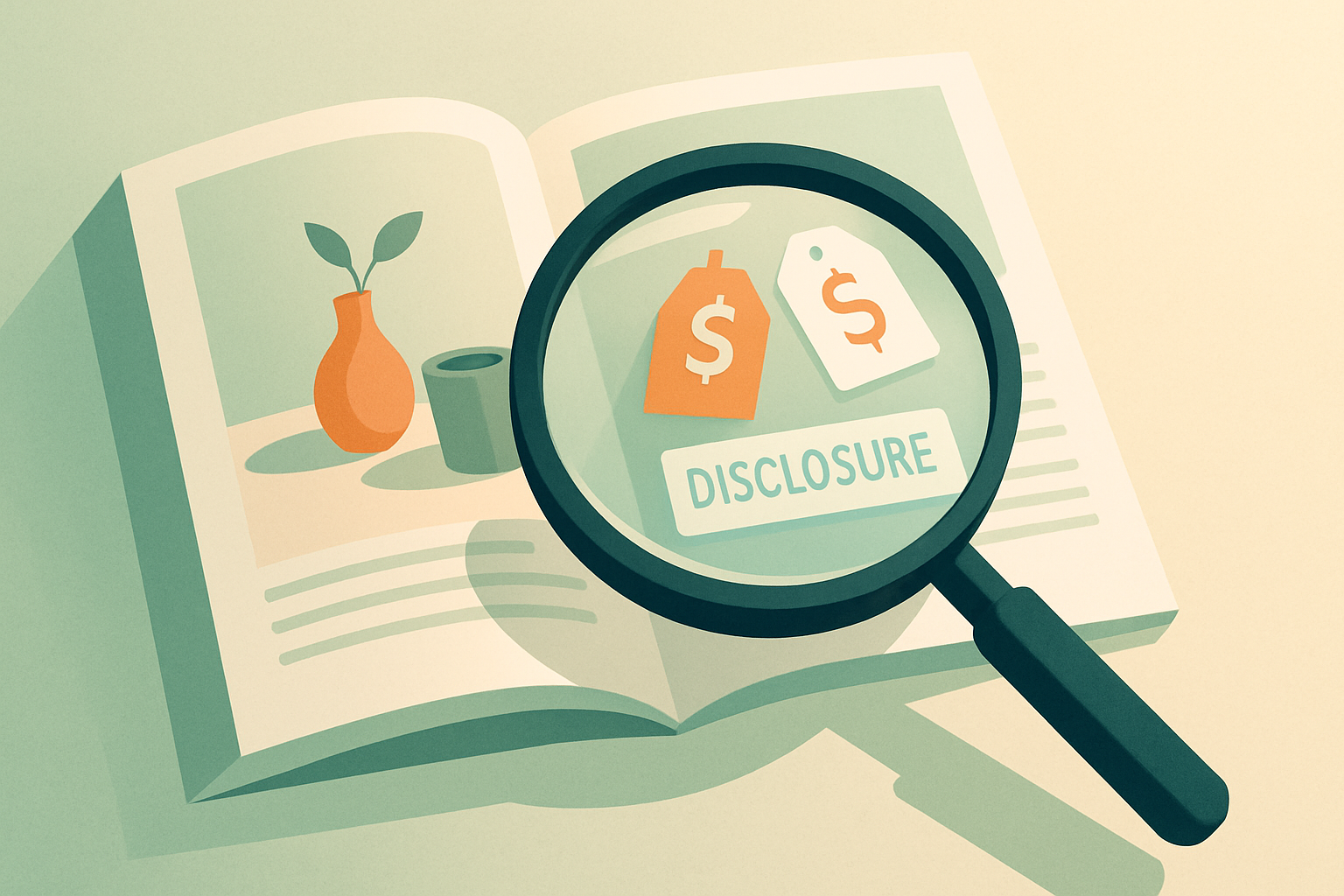 What Is Sponsored Content? Spotting Ads as Advice — Sponsored content is advertising built to look like independent advice. Here's what it is, how disclosures work, and a 30-second way to tell ads from real editorial before you buy.
 How to Choose a Soundbar — Modern TVs are thin by design, and their speakers pay the price. Here's how to choose a soundbar that actually fixes your sound — channels, subwoofers, Atmos, and ports explained in plain language, matched to your room and budget.
 How Product Rankings Really Work (Sponsored vs. Organic) — The order you see products in is decided by relevance, popularity, and money you can't see. Here's how sponsored and organic rankings actually work — and how to read past them.
 How to Choose a Wi-Fi Router — A practical, jargon-free guide on how to choose a Wi-Fi router — how to match coverage, Wi-Fi standards, and ports to your real home and internet plan without overpaying for numbers you'll never use.
 How to Research a Product Before Buying (Without Getting Spun) — Most buying regrets come from getting spun, not from the wrong product. Here's a repeatable 15-minute routine for researching anything before you buy — and reading sources by who profits.
 Who Pays for Your Shopping Advice? A Field Guide to Review-Site Business Models — A field guide to the business models behind shopping advice — affiliate listicles, display-ad blogs, retail media, influencers, nonprofit testers, subscription review orgs, manufacturer content, and AI tools — and how each one's funding quietly shapes what it recommends.
 How to Choose a Portable Power Station — A portable power station is really two ratings in one box: watt-hours (how long it lasts) and watts (what it can run). Here's how to size both to your gear, weigh battery chemistry and inverter type, and dodge the spec-sheet traps, with no brand picks.
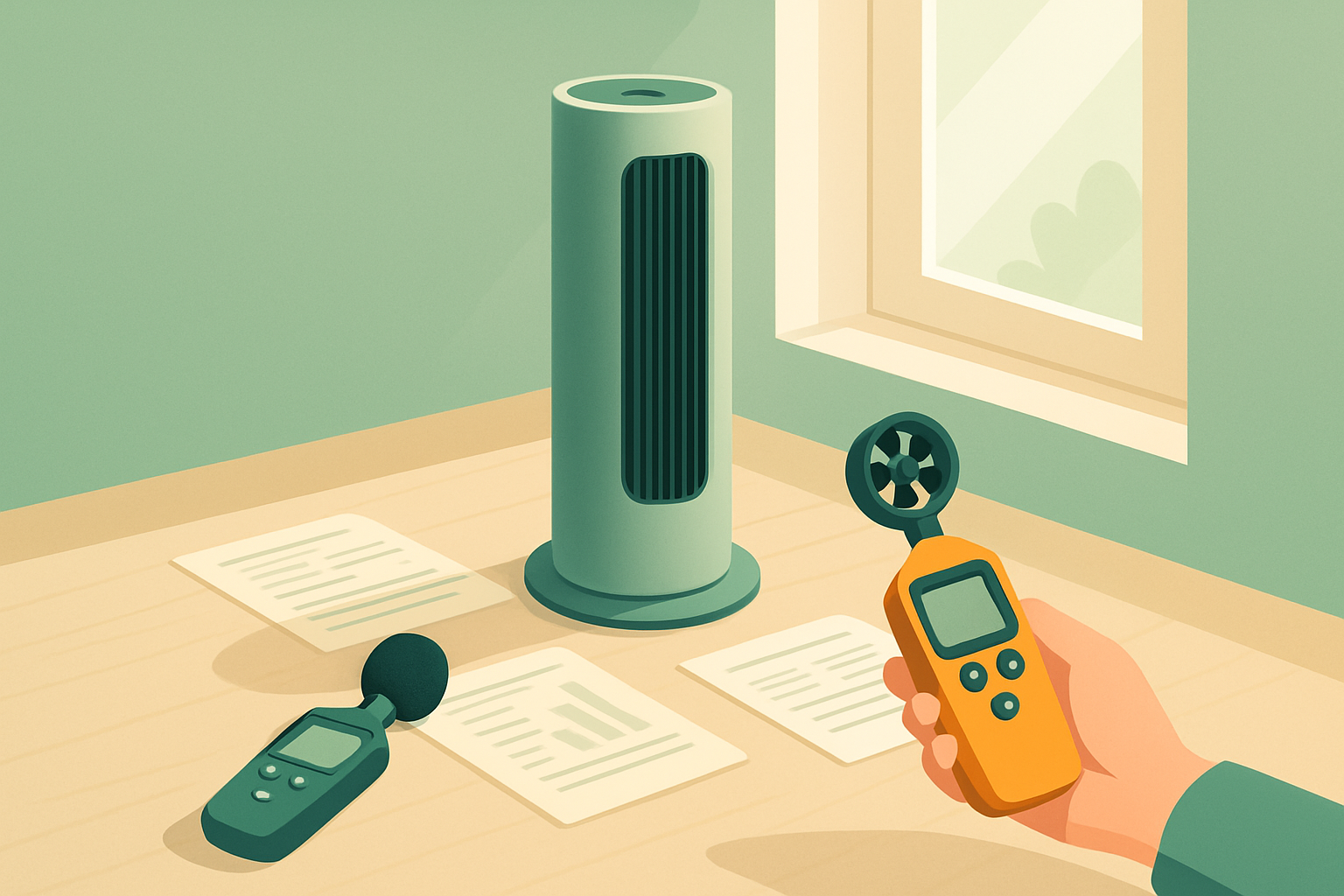 How to Choose a Tower Fan — A tower fan looks simple, but the box sells you on speed counts and modes that don't measure what matters. Here's how to weigh real airflow, noise, oscillation, and cleaning access — and when a fan beats an AC, without the hype.
 How to Choose an Air Conditioner — An air conditioner isn't one product but three. Here's how to match the type to your home, size the BTUs to your room, and weigh efficiency, noise, and the fine print, with no brands and no affiliate links.
 How to Choose a Fitness Tracker — A no-hype framework for choosing a fitness tracker: define what you actually want to track, weigh the real trade-offs in sensors, battery, and cost, and avoid the common buyer traps.
 How to Choose an Air Purifier — An air purifier is only as good as the match between its specs and your actual air problem. Here's how to weigh filters, room size, noise, and the costs that hide in the filters, without the marketing hype.
 How to Choose a Coffee Maker — The right coffee maker isn't the one that wins a roundup, it's the one that fits how you actually drink coffee. Here are the criteria that matter, minus the hype.
 How to Choose a Robot Vacuum — A no-hype framework for choosing a robot vacuum: match it to your floors, pets, and home layout instead of chasing spec-sheet numbers, and learn which trade-offs actually matter.
 How to Choose an Office Chair — An office chair is one of the few things you'll use for thousands of hours. Here's how to judge fit, adjustability, materials, and build, minus the brand hype and affiliate noise.
 How to Choose a Mattress (Cut Through the Hype) — Sleep position, firmness, materials, and the fine print on sleep trials: the criteria that actually matter when choosing a mattress, minus the affiliate noise.
 How to Choose a Smartphone: A Practical Buyer's Guide — Learning how to choose a smartphone is less about chasing megapixels and benchmarks than matching a few specs that actually matter to the way you really use your phone. Here's a simple framework that saves you money and regret.
 How to Choose Headphones: A No-Nonsense Framework — Over-ear or in-ear? ANC or not? Skip the spec-sheet overwhelm. Here's a clear, honest framework for choosing headphones that actually fit your ears, your budget, and the way you listen.
 How to Choose a TV: A Plain-English Buying Guide — Learn how to choose a TV by matching screen size, panel technology, brightness, refresh rate, and smart features to your real room and budget — not a spec sheet or a showroom wall.
 How to Choose a Laptop for What You Actually Do — The smartest way to choose a laptop isn't memorizing specs — it's matching them to your real tasks. Here's an honest framework to buy enough computer, and not a dollar more.
 How to Find the Best Product (A Repeatable Method for Any Category) — Typing "best [anything]" hands your decision to whoever paid for the list. Here's a calm, repeatable 5-step method that produces your own answer in any category — from headphones to mattresses to software — with a link to the right deep-dive for each step.
 How to Shop Online Without Getting Manipulated: The Complete Guide — Most shopping advice earns money when you buy — which shapes what you see. This guide covers how to shop online with eyes open: funding, research, fake reviews, AI shopping, and tools on your side.
 Are 'Best of' Lists Sponsored? We Audited 43 Pages — We ran an informal audit of 43 fetchable 'best of' pages across 8 categories. Most carried affiliate tracking, and all disclosed it. Here's the data, our small-sample limits, and how to check any list yourself.
 An Unbiased Product Review Alternative to 'Best Of' Sites — Affiliate-funded 'best of' sites can be rigorous, but they're paid on the sale. Here's what a genuinely unbiased product review alternative looks like — and where Shopi fits in.
 How to Choose the Best AI Shopping Assistant — Forget ranked affiliate lists. Here's a buyer's framework for choosing the best AI shopping assistant for you—scoring funding, transparency, data, accuracy, and breadth, with an honest look at Shopi.
 AI Shopping Assistant Comparison: Who Pays for the Picks? — More shoppers use AI to buy, but the real deciding factor isn't which assistant is smartest — it's who pays for the picks. A fair look at six AI shopping tools by business model.
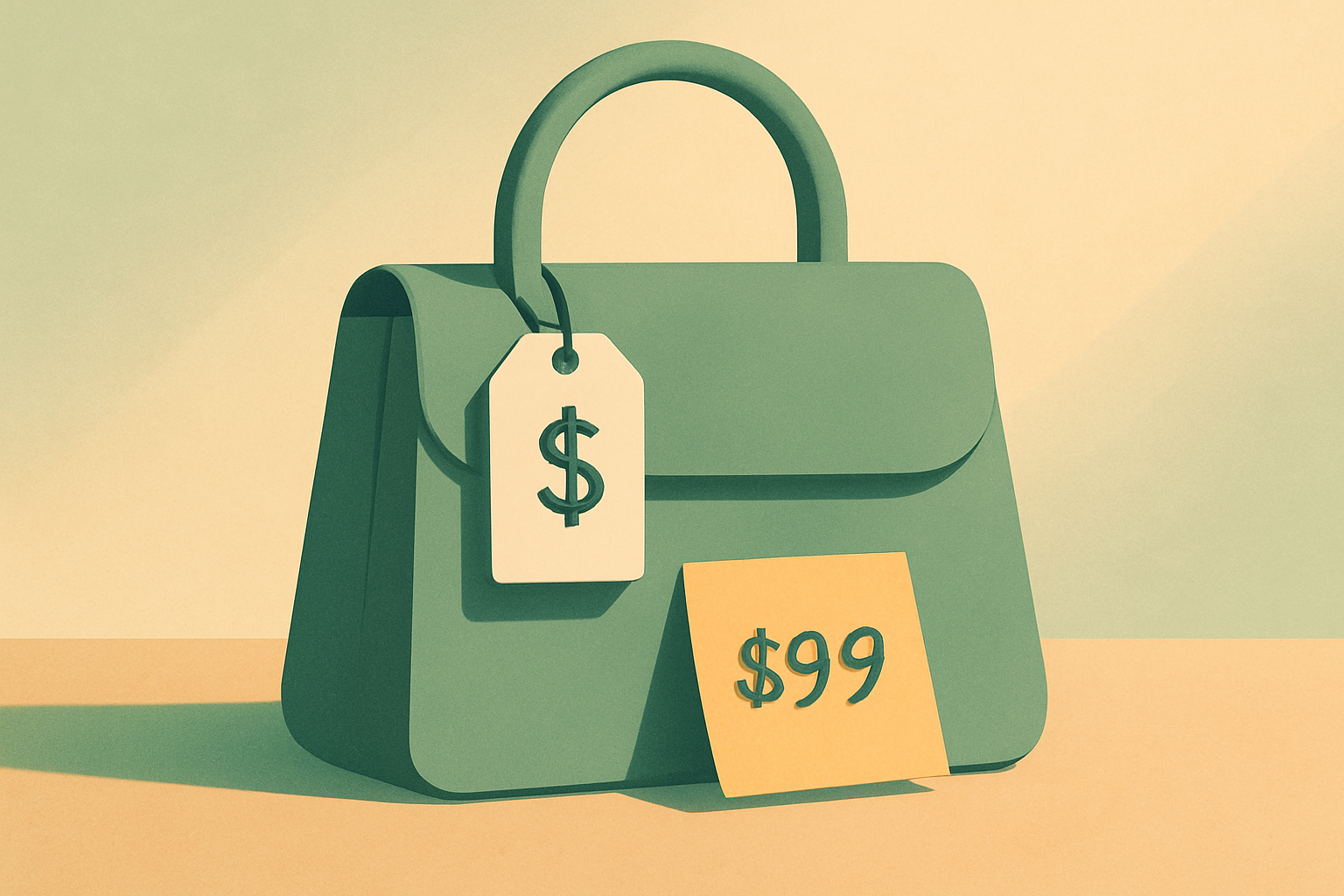 What Is MSRP? List Price vs. What You Should Pay — MSRP is a brand's suggested list price, not the real market price. Here's why inflated MSRPs power fake "discounts" — and how to find the true street price before you buy.
 What Is an Extended Warranty? Are They Worth It? — An extended warranty is paid coverage that starts after the manufacturer's warranty ends, often sold at a high retail margin. Here's what it covers and how to decide if it's worth the money.
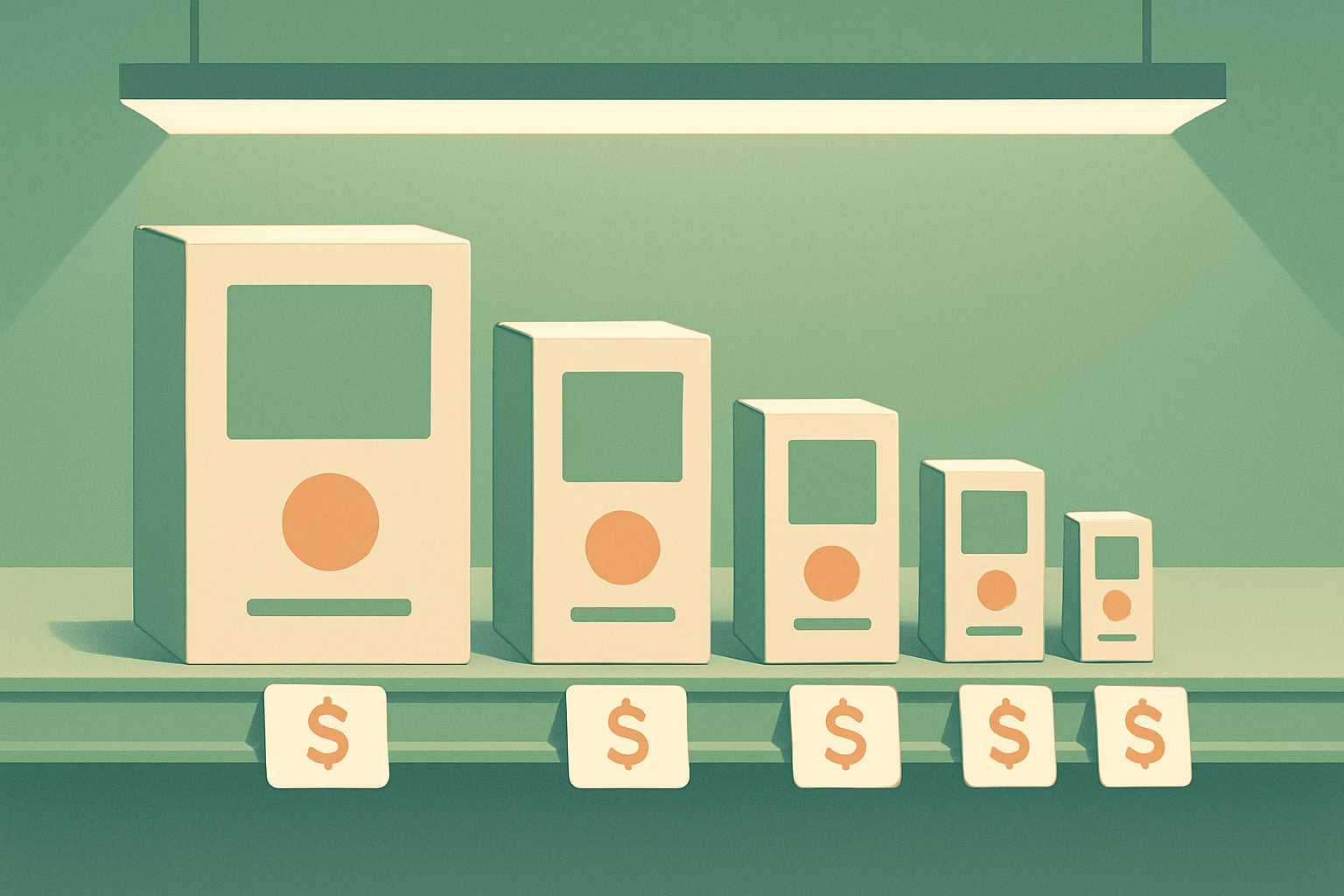 What Is Shrinkflation? Paying More for Less — Shrinkflation means a product's size or quantity shrinks while the price holds steady—a hidden price hike. Here's why it matters and how to catch it by checking price-per-ounce, not the sticker.
 What Is Greenwashing? How to Spot Fake Eco Claims — Greenwashing is eco marketing that overstates a product's real environmental benefit. Here's how to spot vague buzzwords, check third-party certifications, and verify a green claim before you buy.
 What Is a Loss Leader (and Why Stores Use Them)? — A loss leader is a product sold at or below cost to lure shoppers in, hoping they buy pricier items too. Here's why stores use them, and how to take the deal without filling your basket.
 What Is Dropshipping? A Shopper's Guide — Dropshipping lets a seller list products without holding stock — items ship straight from a third party, often overseas. Here's how it works and how to spot a dropshipped store before you buy.
 Why You Can't Find an Honest Product Review Anymore — Search results for 'best X' are dominated by affiliate listicles. Here's how affiliate tracking links work — and the practical way to find product reviews you can actually trust.
 Are Affiliate Reviews Trustworthy? How 'Best Of' Lists Get Paid — Most 'best of' lists earn a commission when you buy. Here's how affiliate marketing works, why it isn't always bad, and how to tell which recommendations you can actually trust.
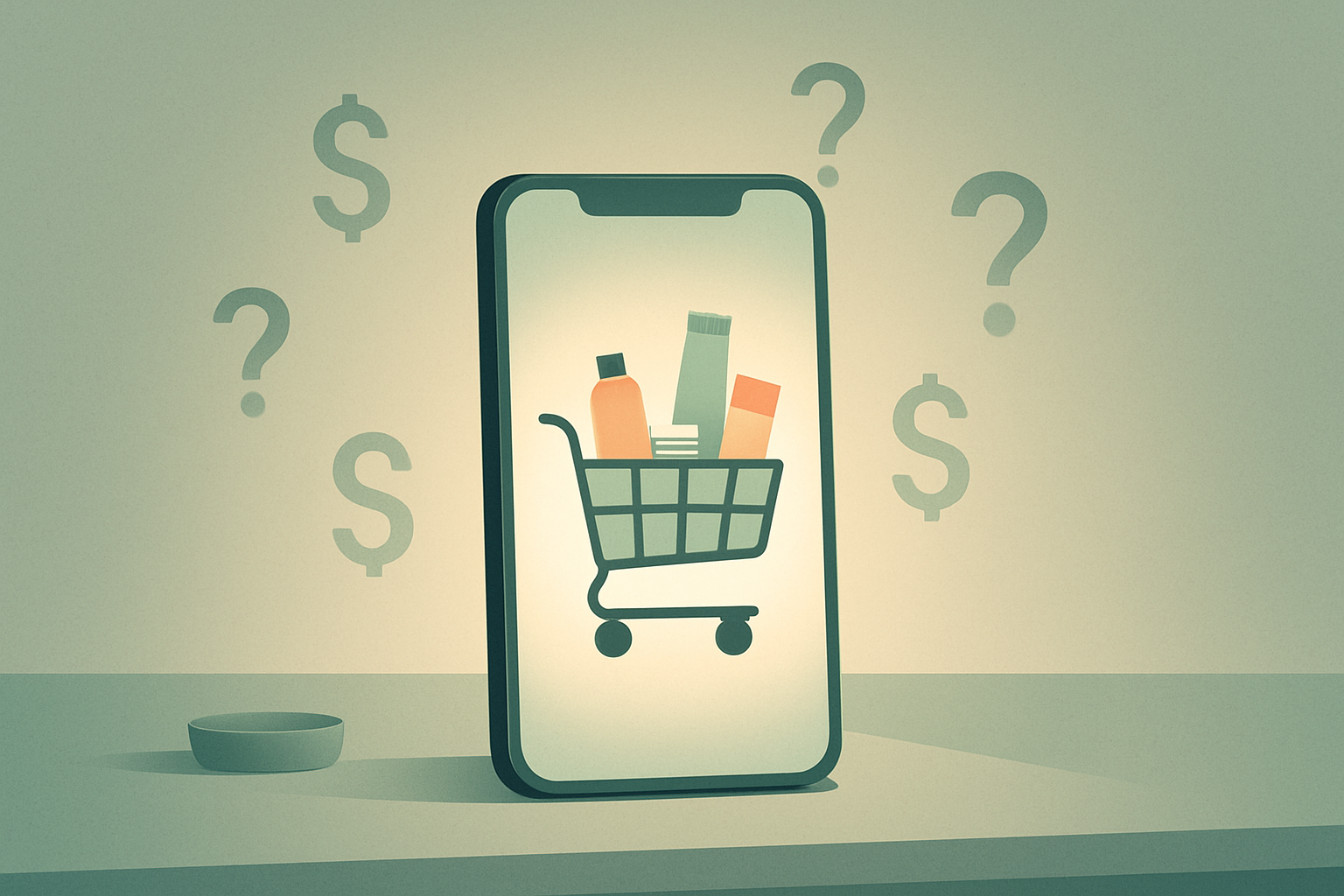 ChatGPT Can Shop for You Now — But Who Pays? The Case for an Ad-Free AI Shopping Assistant — ChatGPT can shop for you now — and can complete the purchase in chat. Before you trust any AI shopping assistant, learn the one question that matters: who actually pays for the picks?
 Personalized vs. Targeted: The Private AI Shopping Assistant Difference — Two tools can ask the same questions and do opposite things with the answers. The difference between personalization that helps and targeting that monetizes you — and how to tell them apart.
 How to Spot Fake Product Reviews: A 60-Second Checklist — About a third of online reviews may be unreliable. Here's a give-it-all-away, 60-second checklist for spotting fake product reviews — links, disclosures, testing, and rating red flags.
 Can You Trust AI Shopping Recommendations? The Trust Gap Holding Shoppers Back — Awareness of AI shopping assistants is high, but trust is low—and that gap, not the technology, is the real bottleneck. Here's what actually makes AI product picks worth trusting.