What Is a Loss Leader (and Why Stores Use Them)?
By The Ask Shopi Team · 3 min read
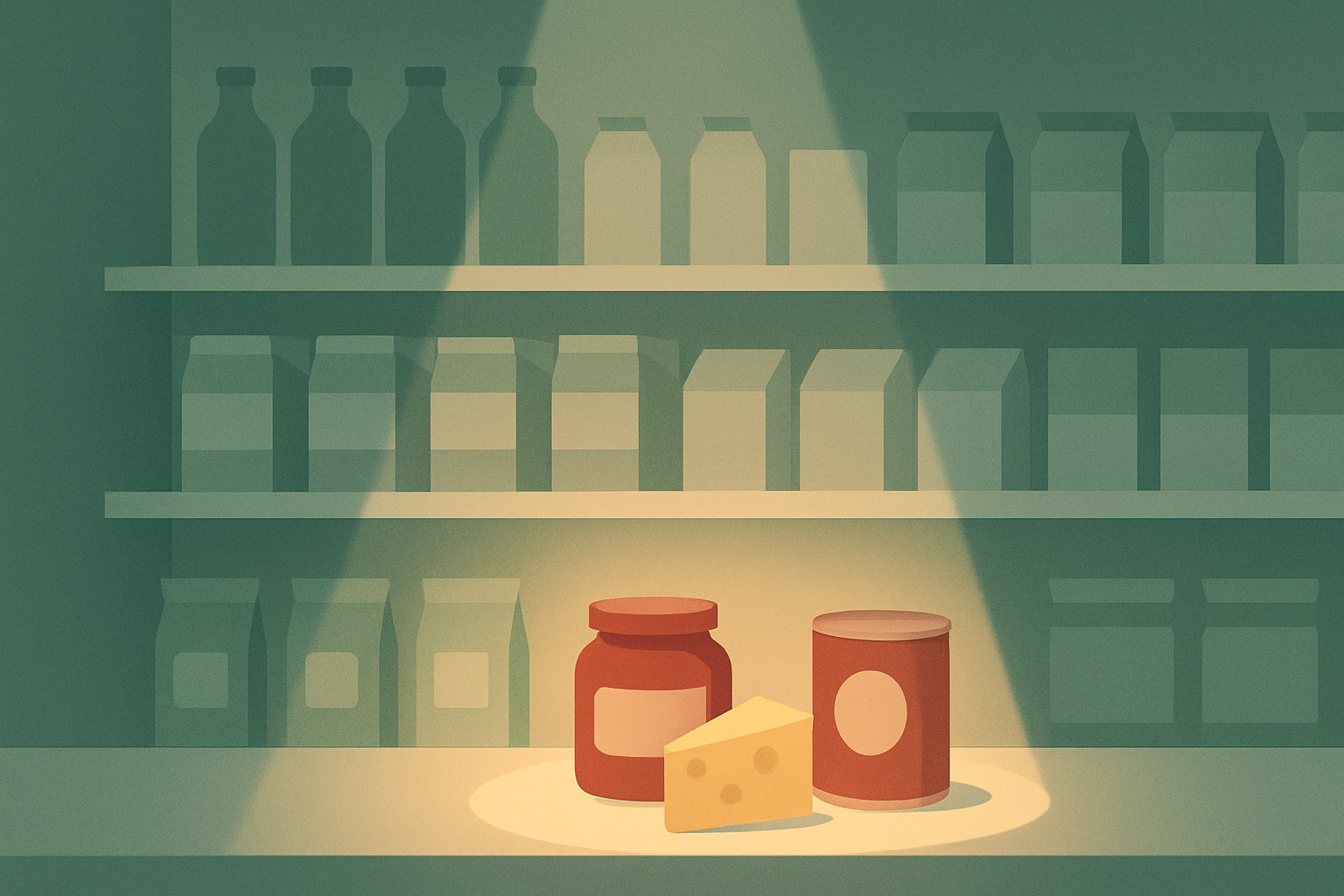
A loss leader is a product a store sells at or below its own cost to pull you in, hoping you'll buy enough higher-margin items to more than cover the loss — which is exactly what people mean when they ask what is a loss leader.
The classic example is a grocery store advertising rotisserie chickens or milk for less than it paid for them. Nobody profits on that chicken. They profit on the soda, snacks, and full-price extras you grab on the same trip.
Why stores use loss leaders
A loss leader is a marketing investment, not a pricing mistake. The discount is real, but it's bait with one job: get you in the door (or into the cart) and count on the rest of your basket to make the math work.
Common loss-leader plays:
- Doorbusters — a TV or laptop at a shocking price, limited to a few units, timed for a big sale day.
- Grocery staples — milk, eggs, or rotisserie chicken priced below cost and placed at the back of the store so you walk past everything else.
- Cheap "starter" products — a budget printer sold near cost, with expensive ink locking in profit later.
- Near-free trials — a low entry price that quietly rolls into a pricier subscription.
None of these are scams. They're a legitimate, well-understood tactic. The point isn't that stores are lying, it's that incentives shape what gets put in front of you.
Why it matters to you
Here's the honest version: with a loss leader, the deal is real but the basket is the trap. You genuinely save on the advertised item. The risk is everything else you add once you're already there, all at full margin.
Store layout reinforces this. Loss leaders sit deep in the aisles or at the end of a long online funnel, so you pass dozens of regular-priced temptations to reach them. Walk out with only the chicken and you came out ahead. Walk out with a full cart, and the store did.
This is the same logic behind a lot of online shopping nudges. Sometimes the incentive isn't a low price at all, it's a commission. We unpacked that in how affiliate marketing shapes recommendations: the "best pick" you're shown can be the one that pays the publisher most, not the one that fits you best.
How to shop a loss leader without overspending
You don't have to skip the deal. You just have to take only the deal.
- Buy the item you came for, then stop. The savings only count if you don't spend them elsewhere.
- Make a list first. Decide what you need before you see what's on the endcap.
- Check the per-unit price, not the headline. "10 for $10" almost never requires buying 10.
- Watch the add-ons. Cheap printer, costly ink. Cheap trial, costly renewal. Price the whole relationship, not the entry point.
- Don't let scarcity rush you. "Limited stock" is part of the design.
For more habits like these, see how to shop online without getting manipulated.
Where Shopi fits
Many "deal" sites have a quiet reason to steer you toward whatever earns them a cut. Shopi doesn't. We run zero affiliate links, no ads, and no commissions, so we earn nothing when you buy. That means a loss leader is never dressed up as the perfect pick just to trigger a sale.
Instead, each recommendation comes with a plain "why this is for you" and a relevance score, and outbound links go straight to the product page, with no affiliate tags or tracking. You can read the full reasoning on why we're different.
A loss leader can be a smart buy when you take the deal and leave the trap. Curious how unbiased recommendations feel? Try Shopi free and see for yourself.
Frequently asked questions
What is a loss leader in simple terms?
It's a product a store sells at or below cost on purpose. The store loses money on that one item to attract you, betting you'll buy other, higher-margin products while you're there.
Are loss leaders legal?
Generally yes. Selling below cost to attract customers is a common, legal pricing tactic in most places, though a few regions have rules against extreme predatory pricing. For shoppers, the deal itself is real.
Why do stores sell things below cost?
To get you through the door or into the checkout funnel. Once you're shopping, the rest of your basket — full-price items, add-ons, and impulse buys — more than makes up for the loss on the advertised item.
How do I avoid overspending on a loss leader?
Shop with a list, buy the advertised item, and resist the surrounding full-price temptations. Watch for follow-on costs like printer ink or subscription renewals that turn a cheap entry point into an expensive commitment.