What Is MSRP? List Price vs. What You Should Pay
By The Ask Shopi Team · 3 min read
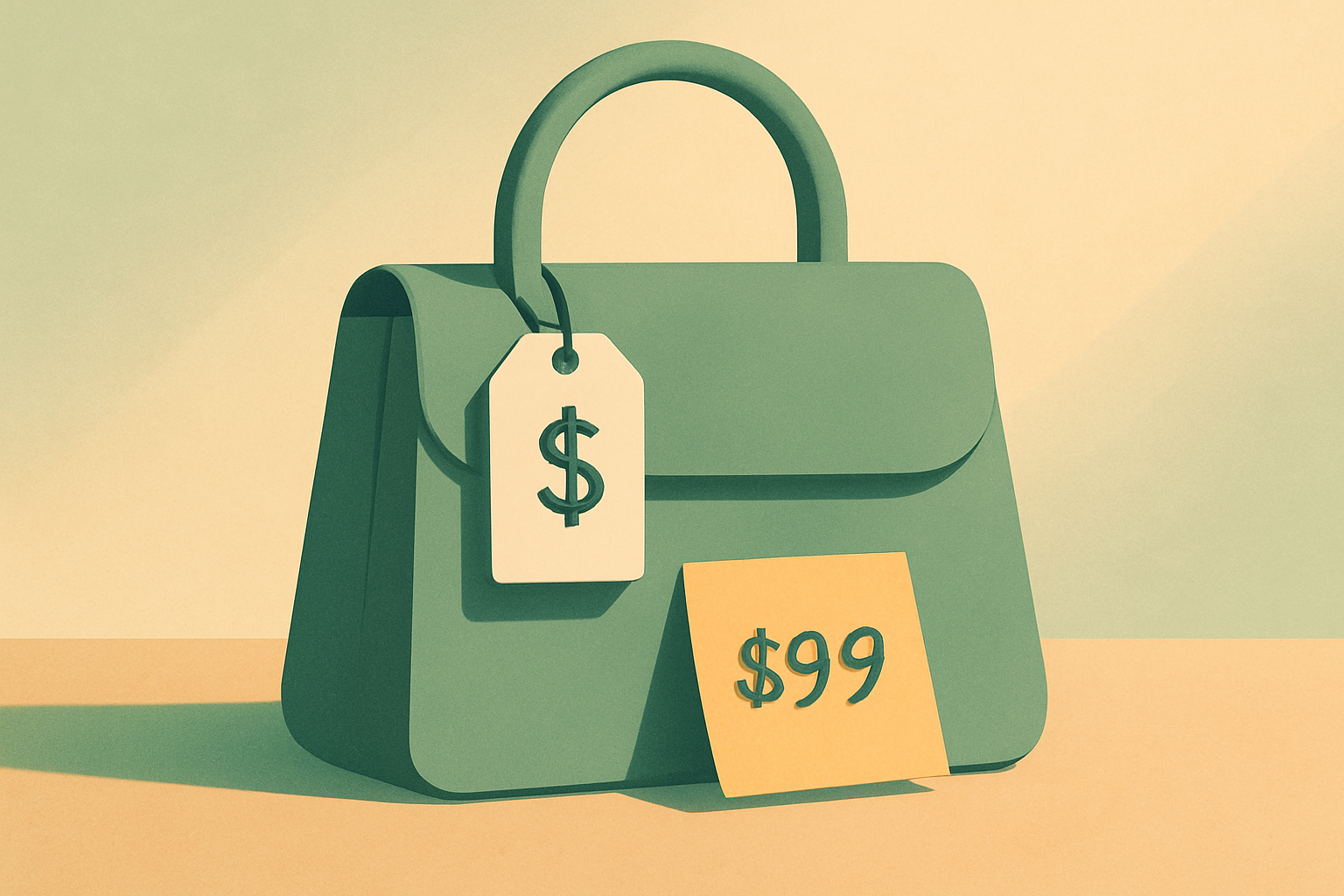
What is MSRP? MSRP (manufacturer's suggested retail price) is the reference list price a brand recommends sellers charge for a product — a suggested starting figure, not the real market price you should expect to pay. You'll also see it called the "list price," "RRP" (recommended retail price), or "sticker price." The key word is suggested: it's a recommendation set by the maker, and retailers are free to charge more, less, or exactly that amount.
What MSRP actually means
A manufacturer sets MSRP partly to keep pricing consistent across stores and partly to give retailers a built-in "before" number to mark down from. Because it's set by the brand rather than by supply and demand, MSRP can sit well above what most stores actually charge.
Compare these three numbers and the gap becomes clear:
- MSRP / list price: the brand's suggested figure (e.g., $199.99)
- Street price: what the item typically sells for across real retailers (e.g., $139)
- Sale price: a temporary, often time-pressured offer (e.g., "$159, was $199.99!")
In that example, the "sale" is still above the everyday street price. The discount is real on paper but hollow in practice.
Why MSRP matters to shoppers
MSRP matters because it's the anchor behind many "discounts." When a listing shows a slashed price next to a higher number, that higher number is frequently the MSRP — not a price the item ever genuinely sold for. Your brain reads the gap as savings, even when the final price is ordinary or high.
This is why an inflated MSRP is such a handy tool for sellers. A bigger list price makes any markdown look more generous, which nudges you to buy faster and question the price less. It's a textbook example of how incentives shape what gets put in front of you — the same dynamic we cover in how affiliate marketing shapes recommendations, where the goal is to drive a click and a purchase, not to hand you the lowest honest price.
None of this means every MSRP is dishonest. Plenty of products sell at or near list. The point is simpler: MSRP is a reference number, not proof of value.
How to find the real street price
The "street price" — what the item commonly sells for right now across multiple sellers — is the number worth knowing. Here's how to find it:
- Search the exact model name or number, not just the category. Specific model numbers cut through near-duplicate listings.
- Check several independent retailers, not one store's "compare at" claim. A spread of real prices tells you far more than a single struck-through figure.
- Use price-history context. If a "deal" matches the typical everyday price, it isn't really a deal — it's just Tuesday.
- Ignore the countdown timer. Artificial urgency is designed to stop you from comparing. Real value survives a five-minute pause.
- Treat "was $X" with healthy skepticism. Ask whether the item ever actually sold at that price, or whether it's just the MSRP doing marketing work.
For a fuller toolkit on dodging these pressure tactics, see how to shop online without getting manipulated.
Where Shopi fits
Shopi exists to help you judge a product on its merits, not on a struck-through number. We earn nothing when you buy — no affiliate links, no ads, no commissions — so we have no reason to dress up an MSRP gap as a bargain. Every recommendation comes with a plain-language "why this is for you" and a relevance score, and outbound links go straight to the product's page rather than tracked, paid placements.
That independence is the whole point: when no one profits from your click, "good value" can mean what it should. You can read more about that model on why we're different.
So the next time you see a big "was" price, remember what MSRP really is — a suggestion, not a verdict. Find the street price, and let the actual number decide.
Curious what unbiased shopping feels like? Try a Shopi search and see the reasoning behind every pick.
Frequently asked questions
What does MSRP stand for?
MSRP stands for manufacturer's suggested retail price — the list price a brand recommends sellers charge. It's a suggestion, so retailers can price above, below, or at that figure.
Is MSRP the price I should pay?
Not necessarily. MSRP is a reference list price, not the real market price. The 'street price' — what an item typically sells for across multiple retailers — is usually lower and a better benchmark for what to pay.
Why do stores show prices below MSRP?
Showing a price below MSRP makes a markdown look generous. Because the brand sets MSRP rather than the market, it can sit above the everyday street price, so a 'discount' from it may not be real savings.
How do I find the real street price?
Search the exact model number, compare several independent retailers instead of one store's 'compare at' claim, and ignore countdown timers. If a 'sale' just matches the usual everyday price, it isn't really a deal.