How to Choose a Coffee Maker
By The Ask Shopi Team · 7 min read
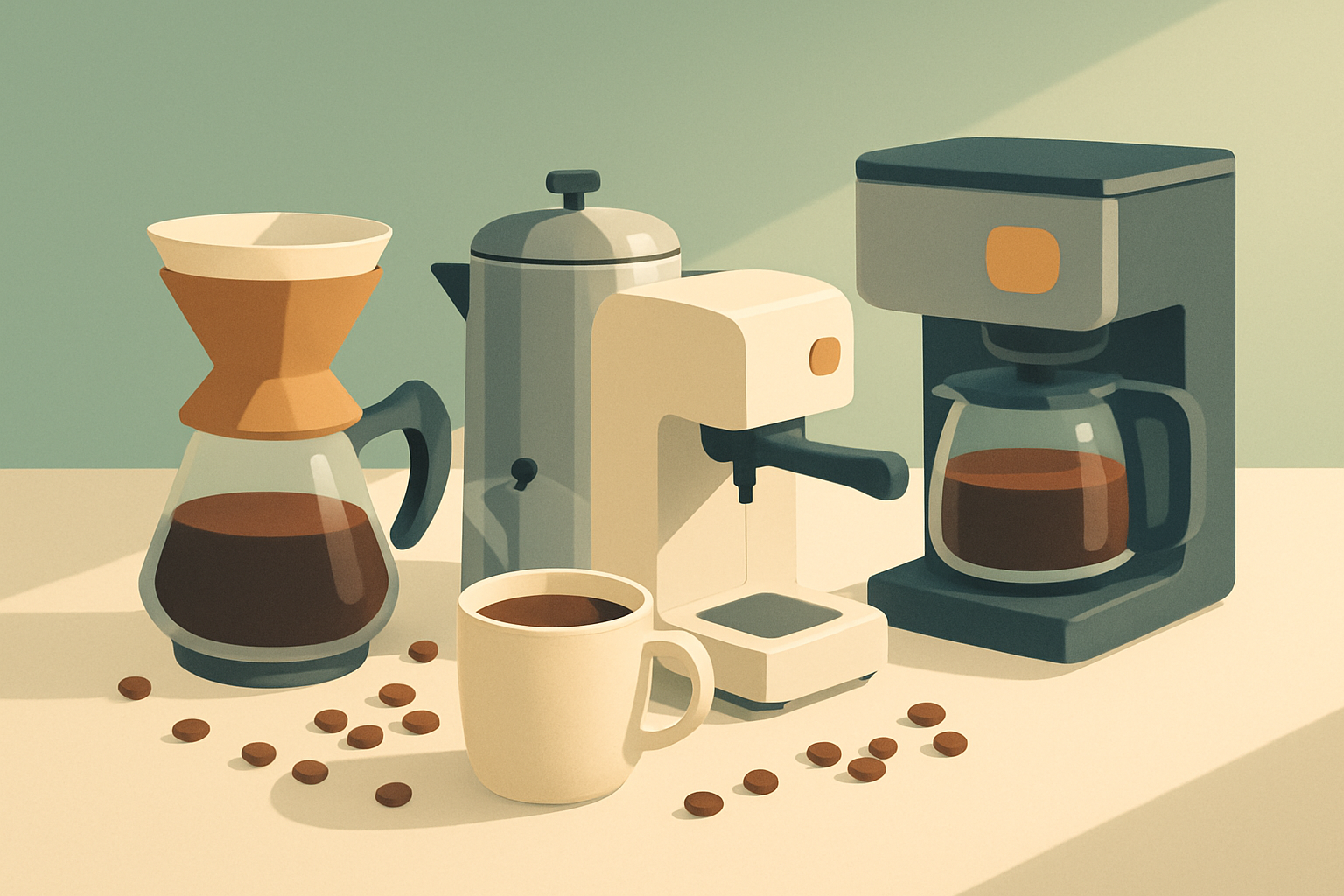
Figuring out how to choose a coffee maker sounds simple right up until you start shopping. Then you hit the wall: a basic drip pot, a one-touch pod machine, a manual pour-over kit, and a chrome espresso center that costs more than your fridge, all sitting next to a stack of "best coffee maker" roundups, many of which quietly earn a commission on whatever they rank first. The machine that's genuinely right for you has less to do with which one wins a list and more to do with how you actually drink coffee on a regular Tuesday morning.
This guide skips the brand wars and walks through the criteria that matter: the brewing method, the real cost per cup, the features worth paying for, and the unglamorous maintenance details that decide whether you still love the thing a year from now. No brand names, no affiliate links. Just the decision framework.
Start with how you actually drink coffee
Before you compare machines, be honest about your real routine, not the barista you imagine becoming on a free Sunday. The most expensive mistakes happen when people buy for a fantasy version of themselves. Three questions sort most of it out.
How much, and for how many people?
A single cup before work is a completely different job than a full pot for a household, or a steady stream of refills through a work-from-home day. If it's mostly you, a single-serve or small-batch brewer wastes less. If you're feeding a family or guests, a carafe that holds eight to twelve cups saves you from brewing on repeat.
Black coffee, or milk drinks?
This is the big fork in the road. If you mostly drink brewed black coffee, almost any drip, pod, or manual brewer will do. If you want lattes, cappuccinos, and flat whites, you need real pressure and a way to steam milk, which means an espresso machine or a workaround like a stovetop moka pot plus a separate frother. Buying a pricey espresso setup when you drink your coffee black is a classic over-purchase.
How much ritual do you actually want?
Some people want a button they can hit half-asleep at 6 a.m. Others genuinely enjoy the hands-on craft of grinding, weighing, and pouring. Both are valid, but they point to opposite machines. Be honest about your energy level on a typical weekday, not your best one.
Match the brewing method to your routine
There's no best type of coffee maker, only trade-offs. Here are the main families and what you're actually choosing between.
- Automatic drip. The workhorse. Brews a pot hands-off, usually programmable, easy for households. Trade-offs: less control over strength, and cheaper models often under-heat the water, which makes weak or sour coffee.
- Pod / capsule machines. Maximum convenience and consistency, one cup at a time, almost no cleanup. The catch is ongoing cost and waste, since you're locked into buying pods, and the per-cup price adds up fast (more on that below).
- Espresso machines. The path to lattes and true espresso. They range from manual lever models to semi-automatics to push-button super-automatics. Trade-offs: cost climbs steeply, there's a learning curve on all but the fully automatic ones, and they demand more cleaning.
- Manual brewers (French press, pour-over, AeroPress, moka pot). Inexpensive, durable, no electronics to fail, and a lot of control over the final cup. Trade-offs: they take attention and a few minutes of your hands every morning, and most don't keep coffee hot for you.
- Cold brew makers. Great if you drink iced coffee, essentially a steeping vessel. Trade-offs: you brew hours ahead, so it's a planning purchase, not an on-demand one.
Weigh these against your own dealbreakers. If speed at any cost is the priority, lean pod or super-automatic. If flavor and budget matter more than convenience, a manual brewer punches far above its price. Comparing categories honestly is its own skill; our guide to comparing products objectively lays out a method that works for any appliance.
The number that quietly decides everything: cost per cup
The sticker price is just the down payment. The real cost of a coffee maker is what it costs to feed it, every day, for years.
This is where pod machines surprise people. A cheap machine paired with proprietary pods often costs far more over a year than a pricier brewer you fill with bagged beans, because pods carry a steep per-cup premium, the same "cheap razor, expensive blades" model you see in other categories. Before you buy, estimate your real cost per cup: machine price spread over its expected life, plus pods or beans, plus paper filters, plus descaling solution and any water filters.
Doing that math up front is the single best defense against a purchase that feels cheap and slowly drains your wallet. If you want a structured way to think it through, see our guide on setting a realistic shopping budget that accounts for ongoing costs, not just the tag.
Features worth paying for (and ones to skip)
Once you know your method, a handful of specs genuinely change the cup in front of you. Many others are marketing.
- Brew temperature. Coffee extracts best in a fairly narrow hot range, and the Specialty Coffee Association points to roughly 195 to 205 degrees Fahrenheit (about 90 to 96 Celsius). Bargain drip machines frequently fail to get there, which is why their coffee tastes thin. Some brewers carry an SCA-style certification confirming they hit the right temperature; it's a useful signal if flavor is your priority.
- Carafe type. A glass carafe sitting on a hotplate keeps coffee warm by slowly cooking it, so it turns bitter after a while. An insulated thermal carafe keeps it hot without scorching, a meaningful upgrade if you sip over an hour or two.
- Grinder: built-in or separate. Freshly ground beans make a real difference, and a burr grinder produces a far more even grind than a spinning blade. A built-in grinder is convenient, but if it clogs or breaks, the whole machine is down, and it's another part to clean. A separate grinder is more flexible and easier to replace.
- Programmability and auto-shutoff. A wake-up timer and an automatic shutoff are genuinely nice for daily use and for safety. Treat them as convenience, not quality.
- Milk frothing. Only worth paying for if you actually drink milk-based drinks. Otherwise it's a feature you'll dust around.
A quick word on espresso marketing: machines love to advertise huge pressure numbers like 15 or 19 "bar." Espresso actually extracts at around 9 bar, so a big headline number is mostly selling headroom, not better coffee. More features and bigger specs don't automatically mean a better cup.
The boring stuff that makes or breaks it: size and cleaning
The least exciting criteria are the ones that quietly determine whether your machine lasts.
First, measure your space. Check the footprint on your counter and, just as important, the height clearance under your cabinets, since many machines need room to lift a lid or slide out a water reservoir to refill. A brewer you have to shuffle around every morning gets used less.
Second, look at cleaning before you buy. Are the parts removable and dishwasher-safe? How involved is descaling, the periodic mineral cleanout every machine needs? Be realistic: the coffee maker you won't bother to clean is the one you'll be replacing early, because scale and stale oils ruin both the flavor and the machine.
Finally, the filter and the water. Paper filters give a cleaner cup but are an ongoing cost; a permanent metal mesh filter is reusable and lets more body and oils through. And since coffee is almost entirely water, hard or off-tasting tap water will show up in the cup no matter how good the brewer is.
Why coffee maker reviews get noisy
Coffee makers are popular, frequently replaced, and sold across a huge price range, which makes them a magnet for affiliate content. Be fair here: affiliate marketing isn't fraud, and many sites do real hands-on testing while disclosing that they earn a commission when you buy their pick. That can produce genuinely useful reviews.
But the incentive still shapes the landscape, nudging which machines get covered, how enthusiastically, and how the "winner" gets framed. Pod ecosystems add their own pressure, since the real money is in the pods, not the machine. None of this means the reviews are worthless; it means a little skepticism is healthy, especially when a glowing review and a checkout button live on the same page. Doing your own homework helps, and our guide on how to research a product before buying walks through how to read past the hype.
How to choose a coffee maker without the hype
Once you know your criteria, the shopping gets simple. Before you start comparing, write down five things:
- How you drink it (black vs. milk drinks).
- How much and for how many people.
- How much daily effort you actually want (push-button vs. hands-on).
- Your realistic cost per cup, machine plus supplies.
- Your counter space and cleaning tolerance.
Search with that list in hand, and don't over-index on any single reviewer's top pick. The right machine is the one that fits your morning, not the one that won an article.
This is where a tool like Shopi can help, because it has no horse in the race. Shopi learns your needs, budget, and values as you search and save, then explains every recommendation in plain language with a relevance score so you understand why it surfaced. It runs no affiliate links, no ads, and no commissions, so it earns nothing when you buy, and when you want a closer look it links you straight to the product's own page. Want to kick the tires? Try the no-signup demo, just know it runs on a sample shopper profile, so the results won't reflect your taste until you create a free profile (under two minutes). After that, Shopi tailors what it shows you, no long questionnaire required.
Frequently asked questions
What type of coffee maker is best for beginners?
There's no single best type; it depends on your routine. If you mostly drink black coffee and want something forgiving, an automatic drip machine is the easy starting point. If pure convenience matters most, a pod machine is hard to beat, as long as you're comfortable with the higher cost per cup over time. If you want flavor and control on a budget, a French press or pour-over is inexpensive and almost foolproof once you get the hang of it. Match the machine to how you actually drink coffee rather than to a roundup's pick.
Do I need an espresso machine to make lattes and cappuccinos?
For true espresso-based drinks you need real pressure to pull a shot and a way to steam milk, which generally means an espresso machine. You can approximate the experience more cheaply with a stovetop moka pot plus a separate milk frother, though it won't be identical. The bigger point: if you mostly drink brewed black coffee, buying a pricey espresso setup is a common over-purchase. Buy for the drinks you actually make most mornings.
Are pod coffee makers worth it?
It comes down to how you value convenience against cost. Pod machines are fast, consistent, and nearly mess-free, which many people love. The trade-off is ongoing cost and waste, since you're committed to buying pods that carry a steep per-cup premium and lock you into one system. Before buying, do the cost-per-cup math over a year, including the machine and the pods. If speed and consistency are worth the premium to you, it's a fair choice; if you're cost-sensitive, beans usually win long-term.
What features actually matter for good-tasting coffee?
A few specs genuinely change the cup. Brew temperature is the big one; coffee extracts best around 195 to 205 degrees Fahrenheit, and cheap machines that under-heat make weak, sour coffee. Freshly ground beans help a lot, ideally from a burr grinder rather than a blade. Water quality matters since coffee is mostly water, and a carafe that keeps coffee hot without cooking it (an insulated thermal carafe) preserves flavor. Things like programmable timers are convenience features, not quality ones.
How much should I spend on a coffee maker?
Spend based on your routine and total cost of ownership, not just the sticker price. A capable drip machine can be inexpensive, while espresso and super-automatic machines climb quickly. The smarter number is cost per cup over a year, which folds in pods or beans, filters, and descaling supplies, since a cheap machine with expensive pods can outspend a pricier brewer you feed with bagged beans. Set a budget that accounts for those ongoing costs before you shop.