Patagonia
Patagonia Nano Puff Jacket
The Nano Puff is Patagonia's flagship lightweight insulated jacket, built for packability and versatile three-season use.
### Overview
A time-tested favorite in the outdoor community, the Patagonia Nano Puff may be the most well-known synthetic insulated layer on the market. It was one of the first jackets to offer premium synthetic insulation in a lightweight package, and the current model uses PrimaLoft's top-end 60-gram Gold Eco fill — a down-mimicking synthetic that does a great job balancing warmth and weight. The jacket uses recycled PrimaLoft insulation, a recycled outer shell and lining, and is Fair Trade Certified sewn.
---
### Pros
- **Retains warmth when wet:** Multi-season testing showed the Nano Puff's greatest strength is wet-weather performance — while its face fabric doesn't fight rain well, its PrimaLoft insulation still provides warmth even when damp. This is a meaningful advantage over down-filled jackets for anyone in the Pacific Northwest, shoulder-season hiking, or unpredictable alpine conditions. - **Versatile enough for trail and town:** It's super comfortable, layers well, has a simple but functional design, and delivers surprising warmth for how thin it feels — building a reputation as one of the most solid crossover pieces on the market. - **Packable with a self-stuffing pocket:** Two zippered hand warmer pockets and an interior zippered pocket keep essentials secure, and that interior pocket doubles as a stuff sack so you can pack the jacket down and throw it in a backpack or suitcase. - **Strong sustainability credentials:** The exterior materials are 100% recycled, while the insulation is 55% postconsumer recycled content. Patagonia backs products with their Ironclad Guarantee and will repair their goods at a reasonable price, no matter how old the product is.
---
### Cons
- **Limited breathability:** Breathability is the one area where the Nano Puff shows its limitations. It's an insulated jacket with a wind-resistant shell — not designed to vent heat the way a softshell or fleece does — and during high-output activities like steep uphill hiking, you'll overheat fairly quickly if temperatures are above 45°F. - **Not a standalone rain jacket:** The DWR finish causes light precipitation to bead up well, but the jacket quickly absorbs water once it really starts to rain, and the significant amount of stitching allows moisture to seep into the insulation faster than jackets with larger quilt patterns. You'll want a dedicated rain shell for heavier storms. - **Not warm enough for deep winter:** The Nano Puff is best suited for cool-weather layering or as a standalone piece in mild shoulder-season conditions, with warmth that's about average for its class. In practice, it feels most comfortable in the mid-40s to mid-50s°F. - **Quilted stitching can snag:** Some reviewers found the stitching unraveled quicker than expected in spots, and because there are so many quilted squares, thorns and branches can catch on the jacket easily during off-trail use.
---
### Who It's For
As a do-it-all, reliable addition to a layering system, the Nano Puff remains a top pick for mountain athletes or casual weekend warriors who need a solid jacket for a broad range of activities and climates. Compared to down, the Nano Puff's synthetic materials perform better in wet conditions, making it an excellent choice if you live in a damp climate like the Pacific Northwest or tend to hike in variable weather. It's equally at home as a packable travel layer, a ski midlayer, or an everyday commuter jacket.
---
### Not Right For
Backcountry athletes prioritizing breathability — ski tourers, alpine climbers, or fast-paced hikers — will find dedicated active insulation jackets like the Patagonia Nano-Air Light Hybrid or Arc'teryx Proton far better suited, as those pieces dump heat much more effectively.
---
**Retail price:** $229 at REI, with an average customer rating of 4.6 out of 5 stars across 114 reviews. Available in non-hooded jacket, hoody, and vest versions for men, women, and kids.
Key features
- Recycled down 800-fill
- DWR finish
- packs to grapefruit size
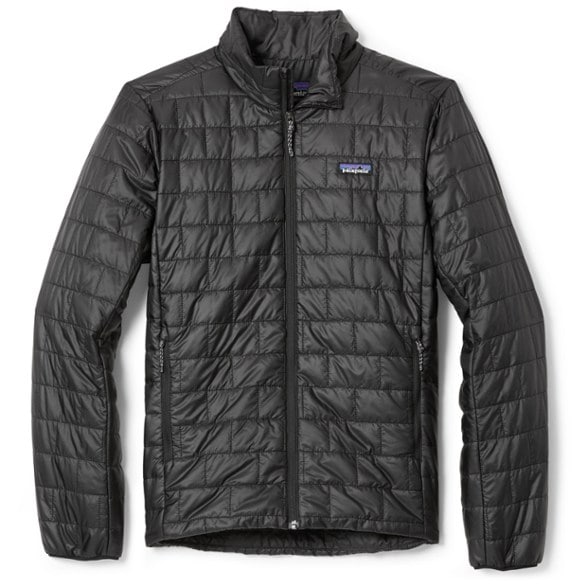
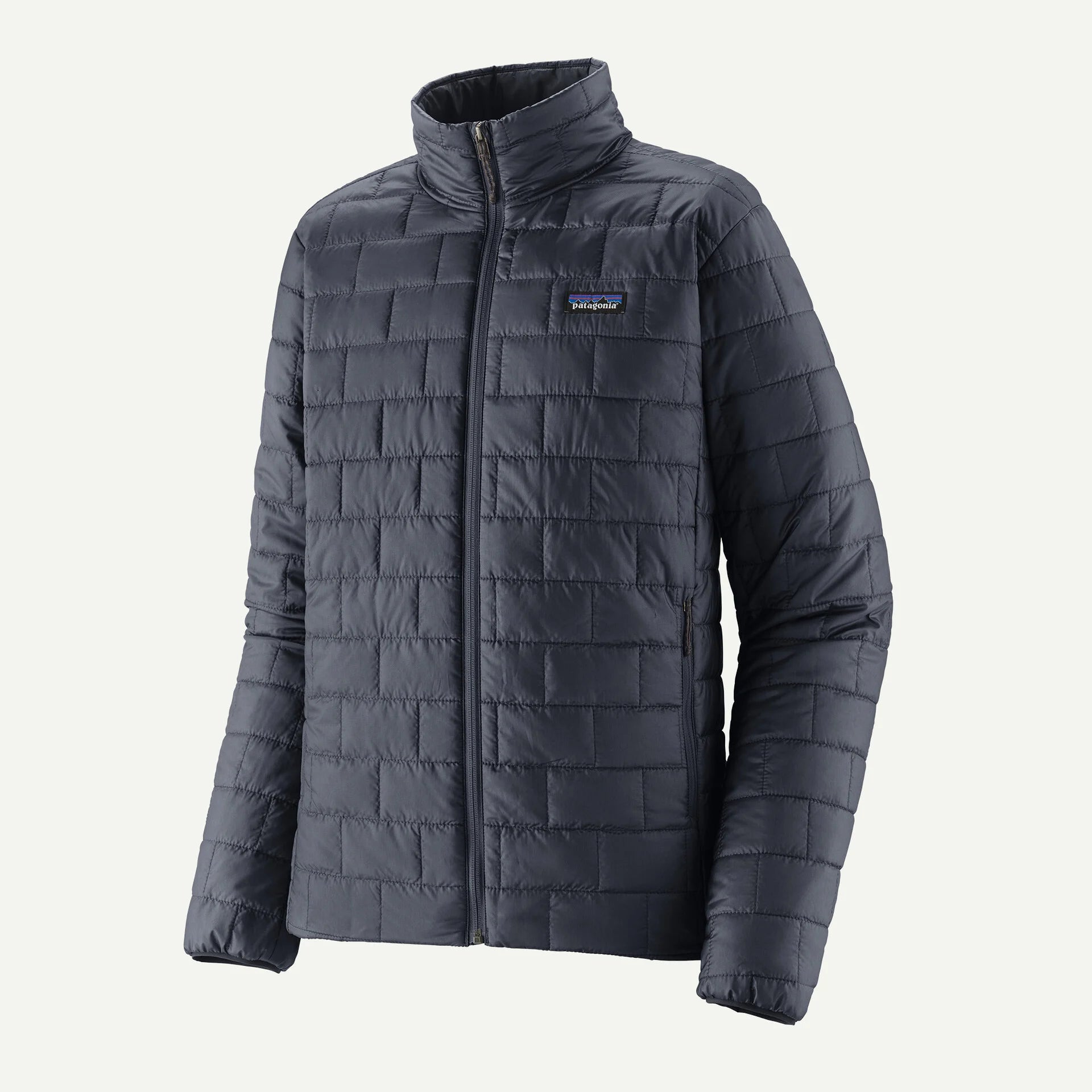
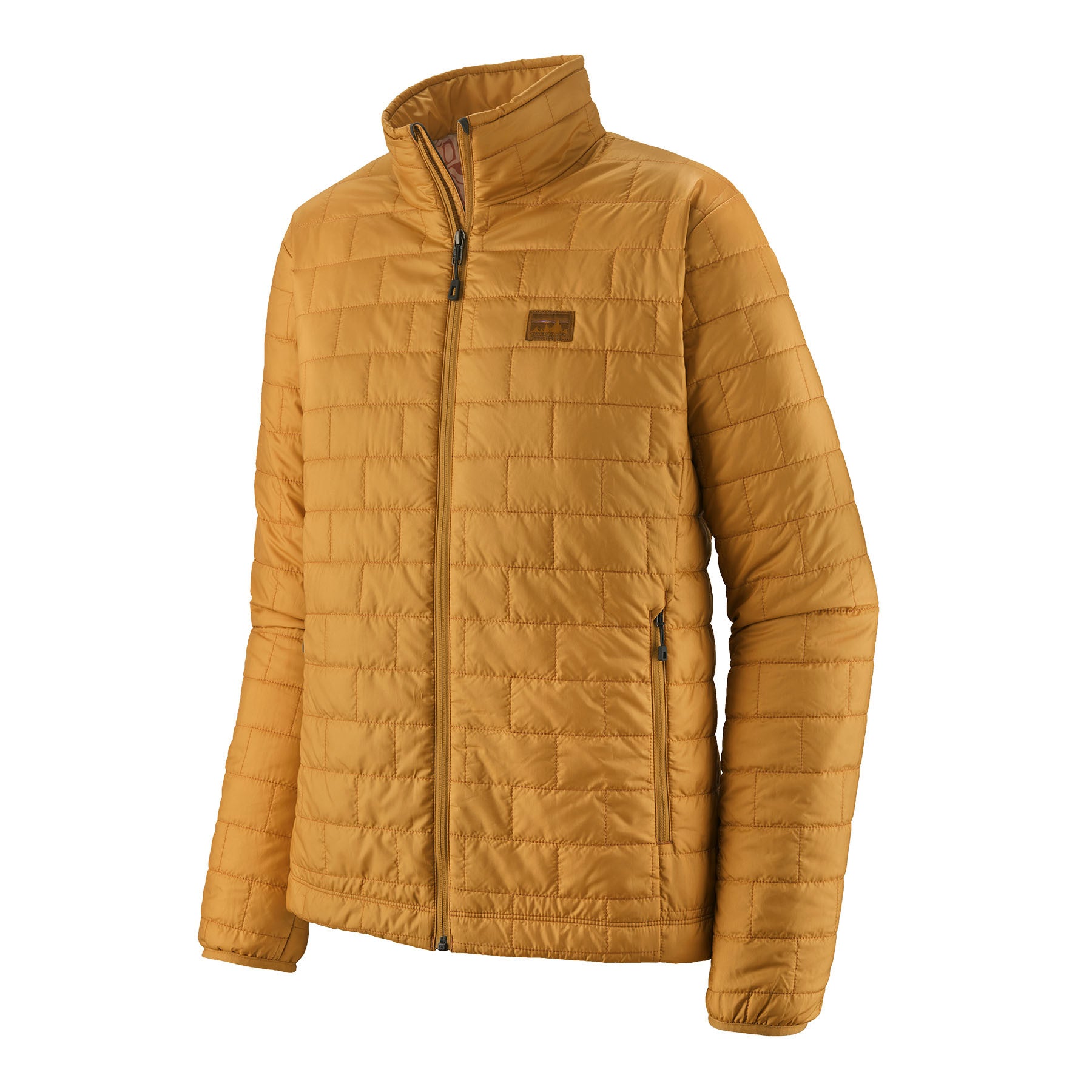
One of the most packable insulated jackets on the market, without sacrificing genuine warmth.
What stands out
- 800-fill recycled down delivers a strong warmth-to-weight ratio for its packed size
- DWR finish adds light weather resistance, keeping the insulation dry in light rain or snow
- Packs down to roughly grapefruit size, making it practical for travel and layering systems
- Patagonia's recycled materials sourcing appeals to those who weigh environmental credentials
What to weigh
- Down insulation loses loft and warmth when thoroughly wet, despite the DWR outer
- At its price point, it competes with synthetic-fill alternatives that perform better in sustained damp conditions
- The slim packable construction offers limited wind protection compared to a dedicated shell
Great fit if
- Hikers and travellers who need a compressible mid-layer that earns its pack weight
- Those who prioritise recycled and responsibly sourced materials in outerwear
- Anyone wanting a versatile insulating layer across spring, autumn, and cool summer evenings
Skip it if
- Those who regularly face sustained wet conditions, where synthetic insulation holds warmth better when damp
- Buyers seeking a single do-everything winter jacket — this is a mid-layer, not a standalone cold-weather coat