Glade
Glade Adapt 2 Photochromic Ski Goggles
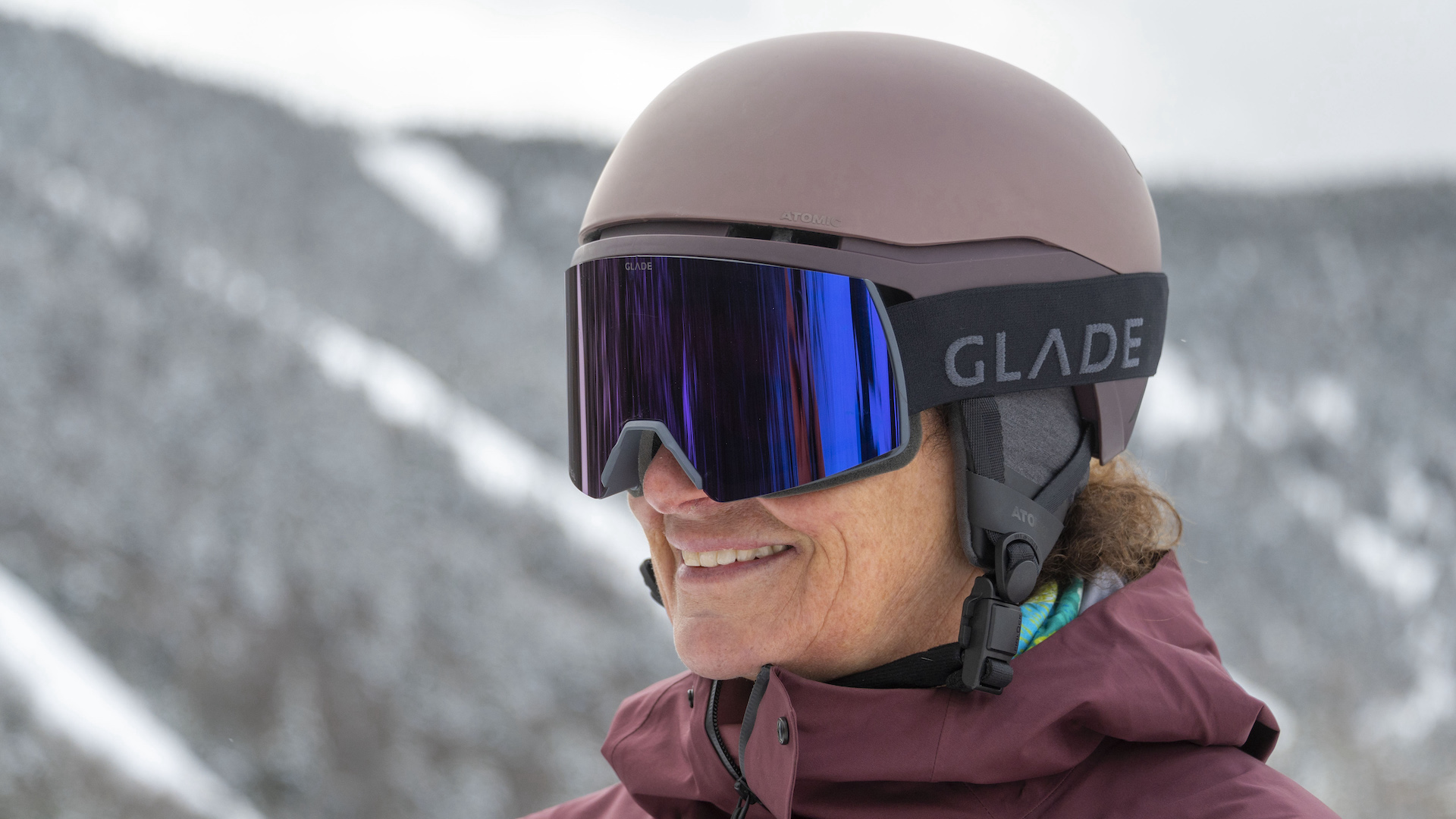
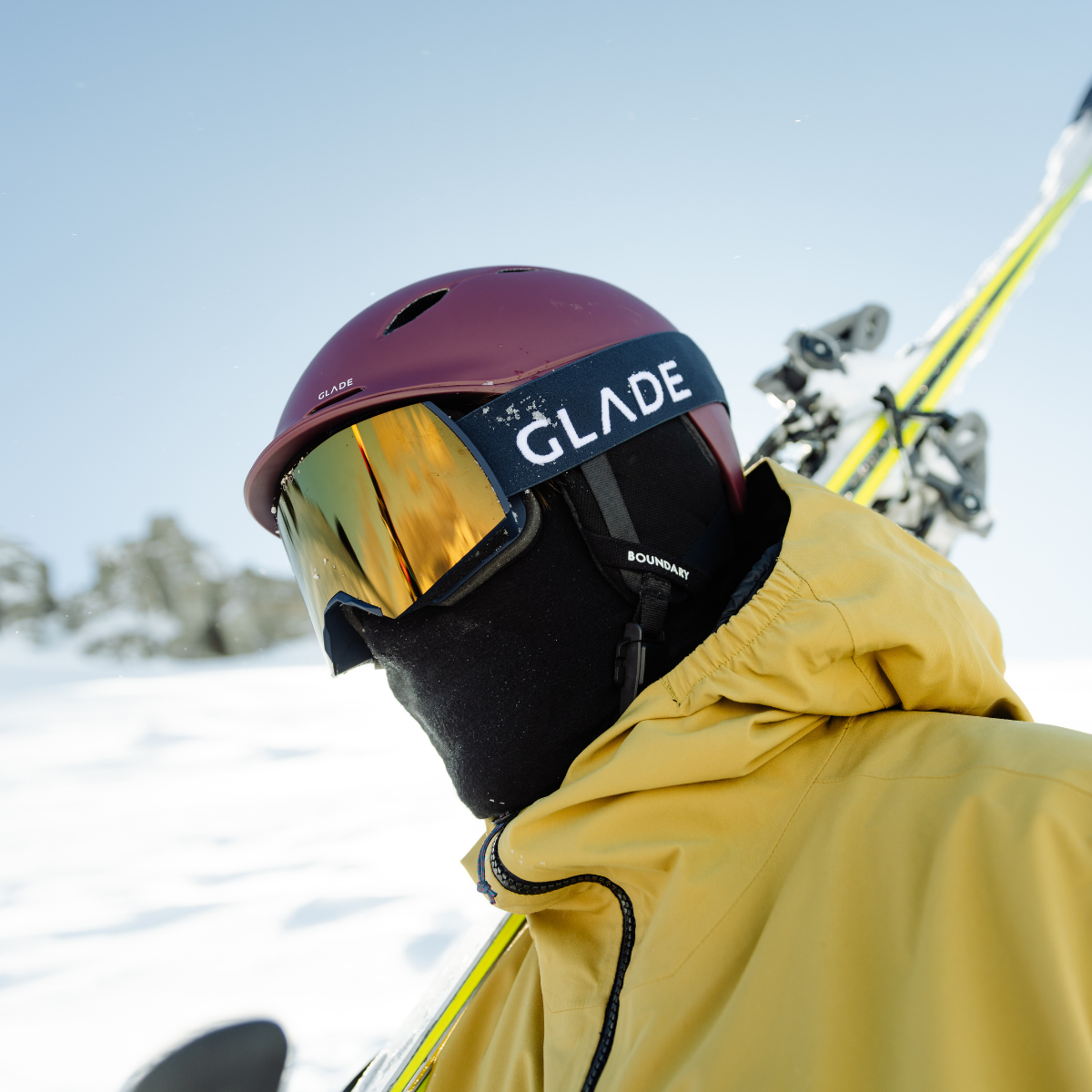
The Glade Adapt 2 are photochromic ski goggles built around a single auto-tinting lens that adjusts to shifting light conditions on the mountain, positioned as a budget-conscious alternative to premium goggle brands.
### Overview
The Adapt 2 is Glade's flagship photochromic ski goggle — a direct-to-consumer option designed to deliver one-goggle versatility across a full day of changing mountain conditions. The REVEAL photochromic lens shifts across a VLT range of 16% to 61%, automatically adjusting tint based on ambient UV light. It's widely regarded as one of the best values in the goggle category, offering features expected from premium products at a significantly lower price.
---
### Pros
- **True all-day adaptability:** The photochromic technology alleviates the pains of changing light throughout the day or aspect — a real advantage for skiers who move between sun-drenched groomers and shaded tree runs without wanting to stop and swap lenses. - **Reliable anti-fog performance:** Enhanced breathability and ventilation allowed testers to complete a full testing cycle without experiencing any fogging, which is the one failure mode that ruins a ski day faster than anything else. - **Contrast and color accuracy:** Colors remained accurate with little to no color shifting, while white and earth tones received a slight enhancement that helped accentuate contrast and define textures on the snow surface. - **Premium comfort at a non-premium price:** The soft, flexible TPU frame and triple-density foam conform well to multiple face shapes; the foam is finished with microfleece for a comfortable next-to-skin feel — a feature commonly found only on high-priced goggles.
---
### Cons
- **Not the darkest lens at peak sun:** Bright, clear blue skies are the one condition where these goggles don't excel — at a maximum darkness of 16% VLT, they aren't as dark as a dedicated 10% bluebird lens, which is most noticeable on a chairlift heading directly into the sun. - **Reduced detail in extreme low light:** In truly low-light conditions, testers noticed a slight reduction in snow surface detail compared to a premium low-light-specific lens. - **No magnetic lens swap:** Changing the lens uses a standard notched system that takes 3–5 minutes and isn't particularly quick or easy — not a daily concern given the photochromic design, but worth knowing if you ever need to swap a damaged lens on the hill. - **Medium/large fit only:** This is a medium-to-large frame goggle suited for medium-to-large face shapes; those needing a smaller footprint should look at the Adapt 2S instead.
---
### Who It's For
If you find yourself riding in various conditions throughout a season or a given ski day and want a high-performance, adaptable optical experience, these are a strong choice. They're especially well-suited for skiers who hate the hassle of carrying and swapping lenses, and for anyone curious about photochromic technology who doesn't want to pay the $250–$350+ price of comparable options from Julbo or Smith. Despite the lower price, the Adapt 2 exhibits similar build quality to other premium brands.
---
### Not Right For
Skiers who primarily ski high-altitude, bluebird days in intense sun (think spring Colorado or California) and want maximum glare protection — a dedicated dark lens or a goggle with a wider VLT ceiling will serve them better.
Key features
- Photochromic Adapt 2 lens; wide VLT range for changing light; strong ventilation; excellent value vs big brands

Seen at 2 retailers from $53.00 to $79.99 as of 2026-07-17. Prices change — check the retailer for the current price.
One lens that does the work of two — without the premium-brand price tag.
What stands out
- Photochromic lens automatically adjusts tint as light conditions change, removing the need to carry a spare lens
- Wide VLT range means the goggle performs credibly in both flat light and bright sun
- Strong ventilation system helps reduce fogging during high-output skiing
- Significantly more affordable than comparable photochromic offerings from Oakley or Smith
What to weigh
- Photochromic lenses typically transition more slowly in very cold temperatures, which can catch skiers off guard on rapidly changing days
- Frame and strap construction may not match the fit refinement or durability of higher-end competitors
- Lens optical clarity, while functional, is generally a step below premium spherical or toric designs at this price point
Great fit if
- Skiers who frequently encounter variable or unpredictable light and want a single-lens solution
- Riders looking for photochromic technology at an accessible price point
- Intermediate skiers building out their kit without committing to flagship goggle spend
Skip it if
- Those who prioritise top-tier optical clarity and are willing to pay for it
- Skiers who already own a well-stocked lens quiver and don't need the convenience of auto-tinting
- Riders who need a goggle with a proven, extensively reviewed fit system for a very specific face shape